At MAKEEN Gas Equipment, we continuously refine our solutions and expertise to adapt to merging trends and opportunities in the evolving gas industry. Renewable dimethyl ether (rDME) is growing in popularity as a cleaner alternative to propane and butane. We offer solutions to adapt LPG infrastructure to allow for the use of rDME.
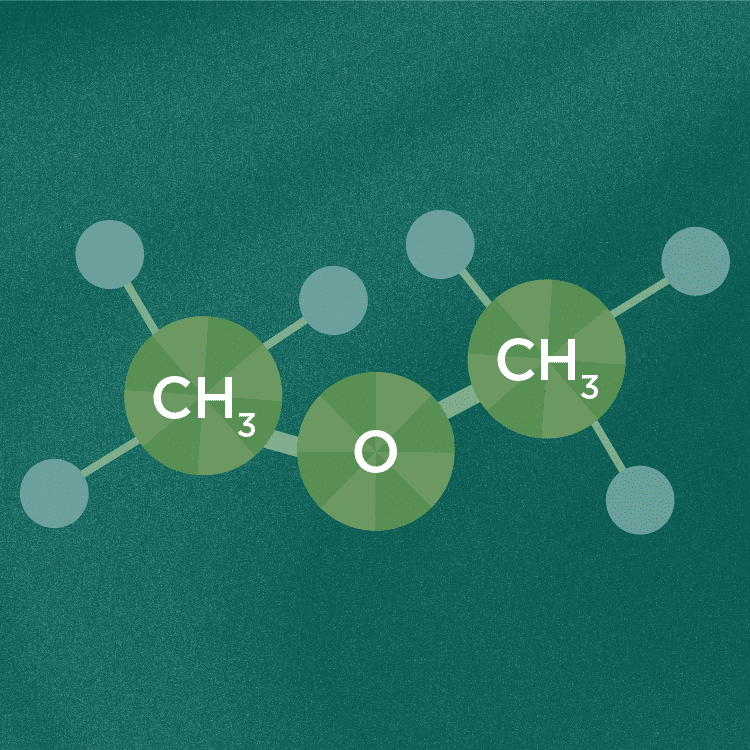
Renewable Dimethyl Ether (rDME) is a simple, clean-burning molecule with many applications. It can be used as a drop in-fuel – either as a direct replacement for propane and butane in some applications or blended into Liquefied Petroleum Gas (LPG). It is produced from a variety of sustainable feedstocks. rDME is safe, adaptable, and suitable for use in industrial, transport, commercial, and domestic sectors.
Challenges
Blends of 12% rDME in LPG can be used safely in existing LPG systems. However, when the concentration exceeds 20%, rDME can adversely affect valves and fittings, causing seals to expand and potentially leak.
rDME has slightly different chemical properties compared to propane and butane, so it interacts differently with materials used in seals, such as rubber or plastic. This can lead to the softening or swelling of these materials. Compromised seals may result in leakage, posing risks such as pressure loss, reduced performance, and potential safety hazards.
Our Solution
In collaboration with RegO, MAKEEN Gas Equipment has developed a solution. We have designed seals for valves that can handle higher rDME concentrations, allowing for safe operation in industrial settings. Our seals are compatible with various valves types to handle up to 100% rDME, enabling expanded use of rDME with minimal, cost-effective adjustments to existing LPG infrastructure. This solution opens new opportunities for the adoption of rDME on a larger scale.
A cleaner path forward
rDME is gaining traction in the LPG industry as a viable alternative to fossil-based fuels. Known for its versatility, rDME supports a range of applications. With production methods that use sustainable feedstocks, rDME can reduce greenhouse gas emission by up to 85%, as its carbon content is derived from biomass and residue streams.
Key benefits of rDME
Renewable DME is a cleaner alternative to propane and butane and offers a pathway to de-fossilising the LPG industry and advancing towards a responsible energy future. With chemical properties similar to propane, rDME behaves much like LPG, making it compatible with existing LPG infrastructure. It can be transported safely and efficiently as a liquid in pressurised cylinders and tanks.

The use of rDME provides a simple way for customers to reduce greenhouse gas emissions and increase the amount of renewable fuel used.
Use of 100% rDME is possible with valve conversions to existing LPG equipment, or a blend of 20% rDME/LPG blend requires no modifications to existing equipment.

Use of rDME significantly reduces SOX, NOX and soot emissions compared to alternative fuels such as diesel.
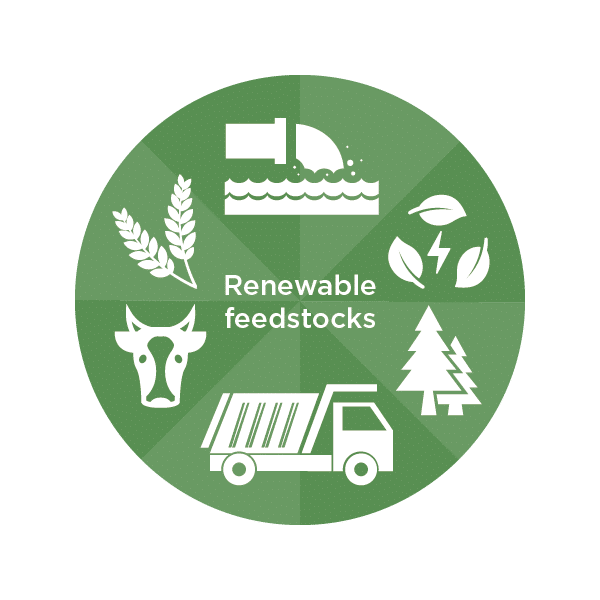
Current infrastructure
Currently, Dimethyl Ether (DME) made from less sustainable feedstocks is
produced on a commercial scale. Increasingly, rDME is produced at this scale. Production opportunities for rDME span multiple sectors, including transport, industry, and domestic and commercial applications.
rDME as a carrier for hydrogen
rDME can serve as a hydrogen carrier, offering a practical way to store, transport, and release hydrogen safely and efficiently, addressing some of the main challenges in the use and distribution of hydrogen.
Hydrogen is a versatile fuel with a wide range of uses across manydifferent industries including transportation, industry, power generation and energy storage, heating and cooling, portable power, and synthetic fuels and feedstocks.
Given the storage and transportation difficulties for hydrogen, using rDME as a carrier provides a safe, cost-effective solution. With rDME, hydrogen can be transported, stored and distributed through existing LPG infrastructure, including pressurised tanks, pipelines, andrefuelling stations.
Transport sector applications
Clean-burning alternatives in the transport sector are currently limited, especially for forms of transport that cannot rely on electrification, such as heavy-duty and non-road vehicles. rDME is a practical, cleaner fuel option that can be used in existing vehicles with minimal modification, easing the transition to lower greenhouse gas emissions across the sector.
Vehicles currently running on LPG can safely use an rDME blend of up to 20% while diesel engines can be modified at low cost to run on 100% rDME. rDME can be transported in pressurised tanks and cylinders. Standard Autogas dispensers require only minor adjustments for refuelling.
Domestic and commercial applications
In areas, without access to a gas grid, fuel sources are essential for domestic and commercial applications, and rDME is a viable option in these settings. In developing regions, where LPG is already a safer and healthier alternative to traditional fuels such as firewood, a 20% blend of rDME can further reduce the greenhouse gas emissions from these activities.
Industrial applications
With high energy demands and high greenhouse gas emissions, the industrial sectors face increasing pressure from policymakers and consumers to adopt cleaner energy sources. Industry currently accounts for about a third of global emissions, and while some process can be electrified, many still require a chemical energy source. Renewable DME is a promising alternative that is compatible with industrial infrastructure with only minor adjustments.
rDME can be delivered through established LPG infrastructure with minimal equipment modifications. Its production potential is substantial, with the capacity to meet a large share of the industry’s global fuel requirements.
A world of possibilities
The use of rDME opens up a world of possibilities. As the energy landscape shifts to meet growing expectations for responsible and efficient solutions, the demand for low-emission fuels has never been more pressing. Policymakers in many countries are setting high expectations for the energy market.
rDME offers a safe, cleaner alternative to traditional high-emission fuels, with the potential to significantly reduce greenhouse gas emissions. Its compatibility with existing LPG equipment makes it an ideal drop-in fuel. With the right infrastructure, rDME can serve various sectors, positioning it as a versatile option for today and tomorrow.
Looking ahead as other industries also seek sustainable feedstocks, competition may increase costs. rDME and other renewable fuels will play a crucial role in achieving emission reduction targets. The path forward for the LPG industry includes not only conventional LPG but more sustainable options like rDME and bio-LPG, reflecting a broader commitment to responsible energy solutions.